
Wind instruments (aerophones) produce sound through a vibrating column of air blown into the instrument by the player. The pitch changes as the column is shortened or lengthened – with keys, holes, valves or a slide.
Woodwind and brass instruments
The division into woodwind and brass does not depend on the material but on how the sound is produced. That is why the metal flute and the brass saxophone are woodwinds.
- Woodwind – the sound is produced at the edge of an opening (flute) or by a reed: single (clarinet, saxophone) or double (oboe, bassoon).
- Brass – the sound is produced by the vibration of the player’s lips in the mouthpiece: trumpet, trombone, French horn, tuba.
- Other aerophones: harmonica and accordion (free reeds), bagpipes.
In rock and jazz
The saxophone, trumpet, clarinet and trombone gave jazz its voice – from Louis Armstrong and Benny Goodman to John Coltrane and Miles Davis. In rock you hear them in horn sections and saxophone solos, and the harmonica is the voice of the blues. Below you will find entries on the most important wind instruments.
Wind instruments
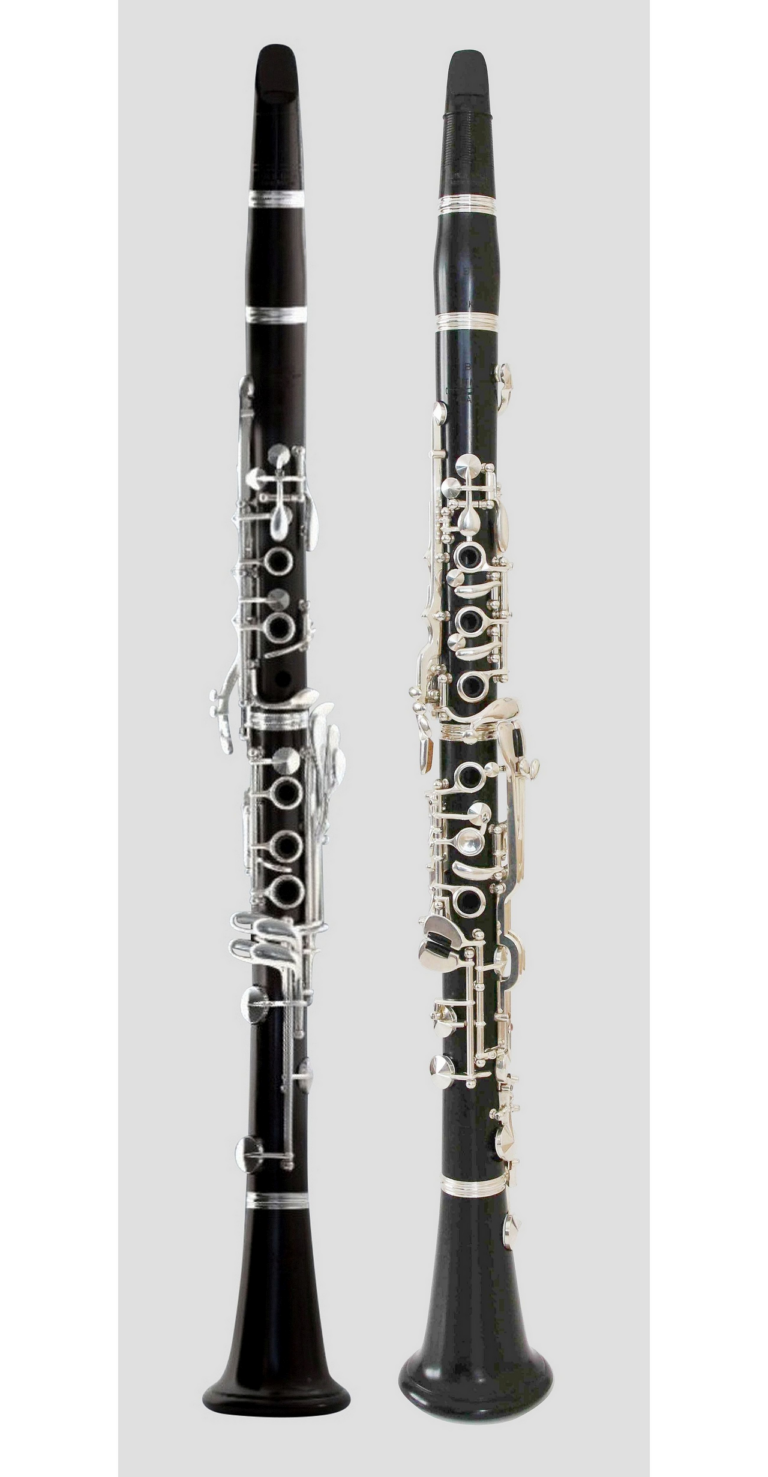 ClarinetThe warm, flexible voice of early jazz and swing – it is the clarinet that opens Gershwin’s „Rhapsody in Blue”.Read the entry →
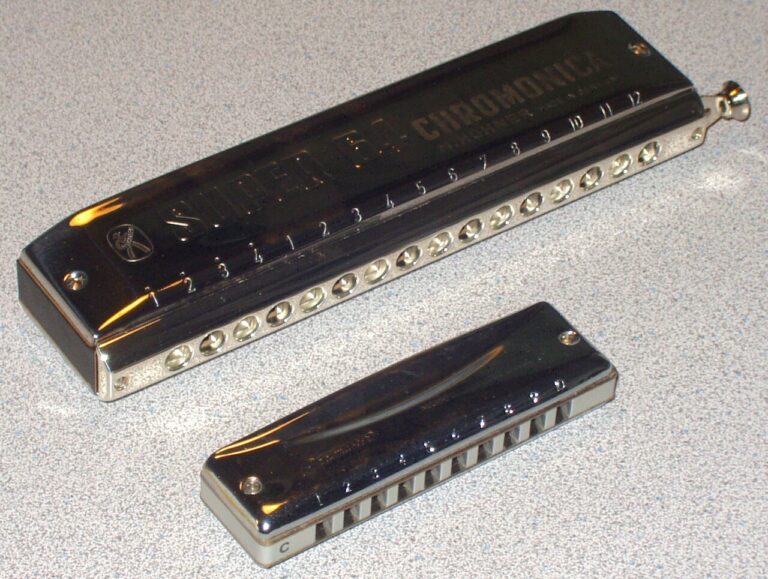 HarmonicaIt fits in your pocket yet can wail like a guitar – the voice of blues, rock and Toots Thielemans’…Read the entry →
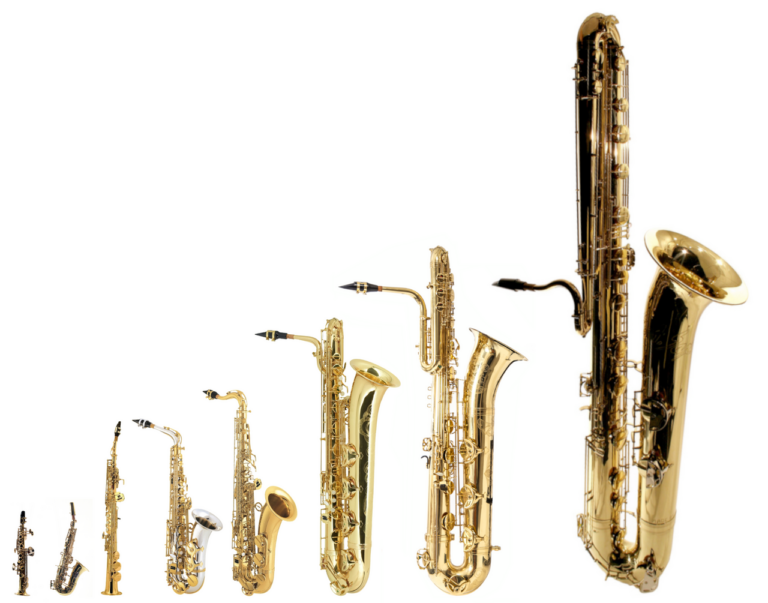 SaxophoneMade of brass, yet a woodwind. The voice of jazz – from Charlie Parker to Coltrane.Read the entry →
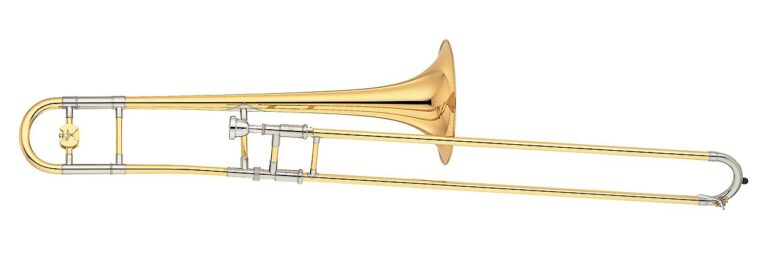 TromboneThe only popular wind instrument with a slide instead of valves – the master of glissando and swing.Read the entry →
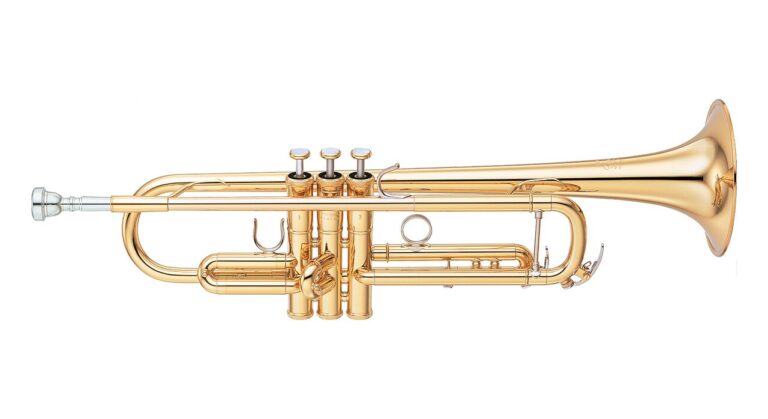 TrumpetThe loudest voice in the band – Louis Armstrong, Miles Davis and Tomasz Stańko showed it can whisper too.Read the entry →
Become a creator
Do you play an instrument that is missing here, or have a story about one of them? Become a creator at Świat Instrumentów – describe your instrument, tell your story or share a video.